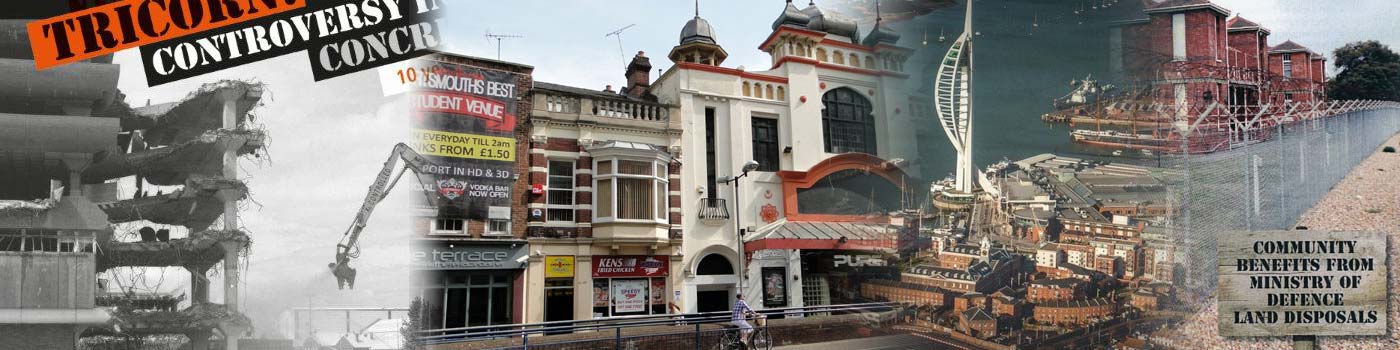
Defence Heritage Planning, Architecture and Public Participation
Academic, Campaigner, Photographer, Sculptor, Poet
Defence Heritage
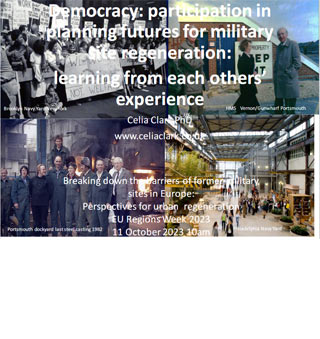
Dr. Celia Clark is an expert on the transition of former defence sites to civilian uses.
Read More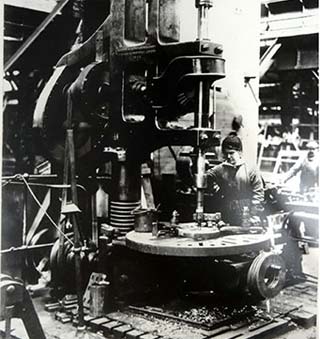
Publications
Forthcoming Dates
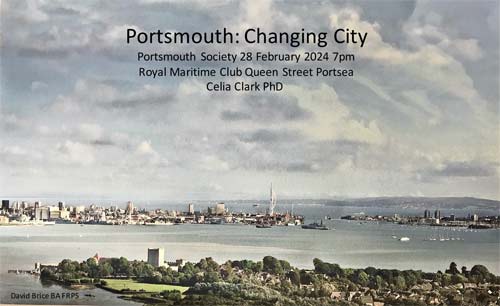
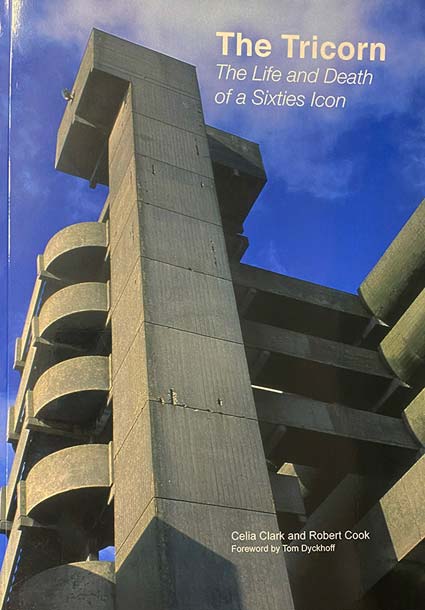
In the light of climate change, rising sea levels and the need to reuse standing buildings rather than waste the carbon they embody, Celia Clark explores changes in the city's built and natural environment in the last year or two. Who is shaping the city? She explores new buildings, restorations and reuses of existing ones. What value are conservation areas, listed buildings and sites of special scientific interest? What's been lost? What is the future of the city's industrial archaeology? Will the new sea defences be effective in defending the city from rising sea levels? Is there to be any public art to enhance the seafront? Are changes in the townscape and landscape adding to our enjoyment of our open spaces? What planning proposals are in the pipeline? What should be built on empty sites like the Tricorn? Should we build more densely? Please bring along your ideas about how you see our city's future!
View the slide presentation here (PDF) and read a detailed description of each slide here (PDF).